Accommodation
Duration

Accommodation

Maximum Altitude

Difficulty Level

Best season

Tour type

Meals

Group Size

Age Limit
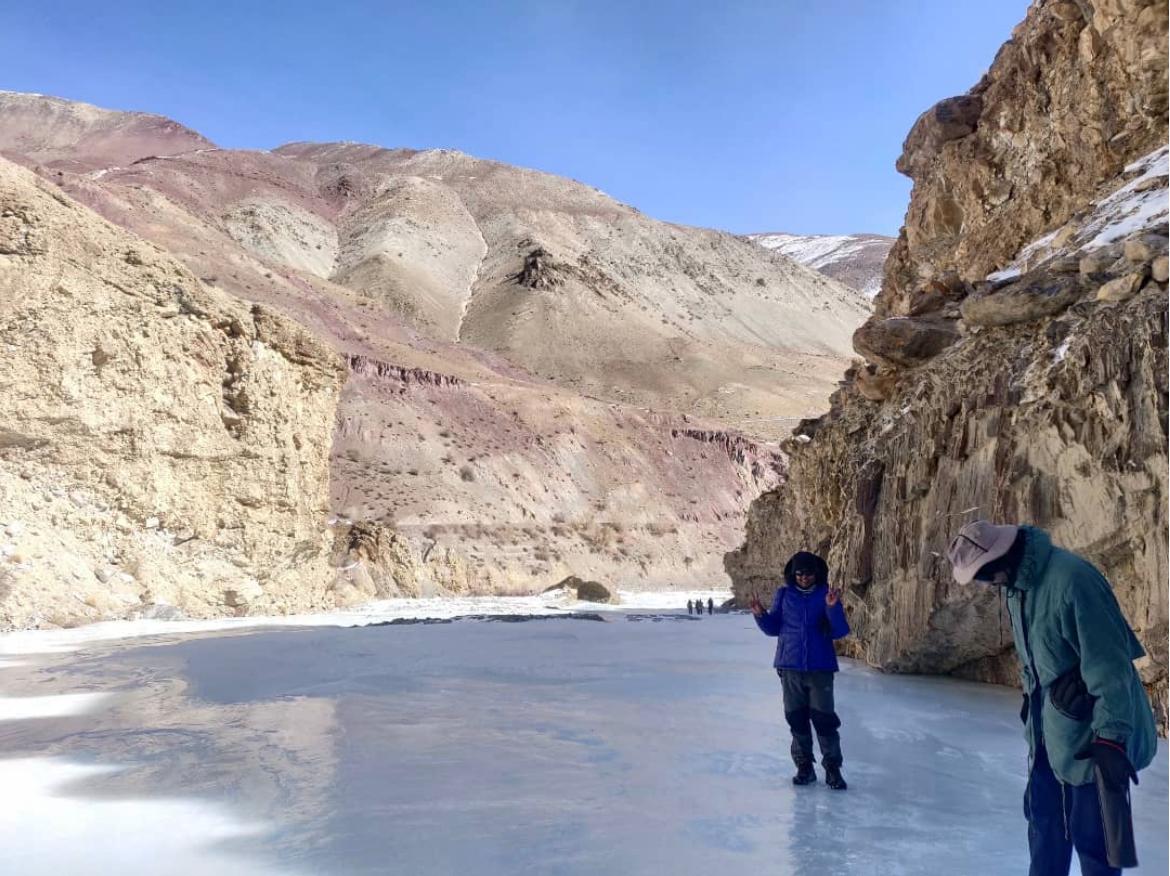
▫ The Chadar Trek is one of the most extraordinary winter adventures in the Indian Himalayas, offering trekkers the rare opportunity to walk across the frozen Zanskar River in Ladakh. Surrounded by towering canyon walls, snow-covered mountains and remarkable natural ice formations, this expedition provides an unforgettable experience far removed from conventional mountain trekking.
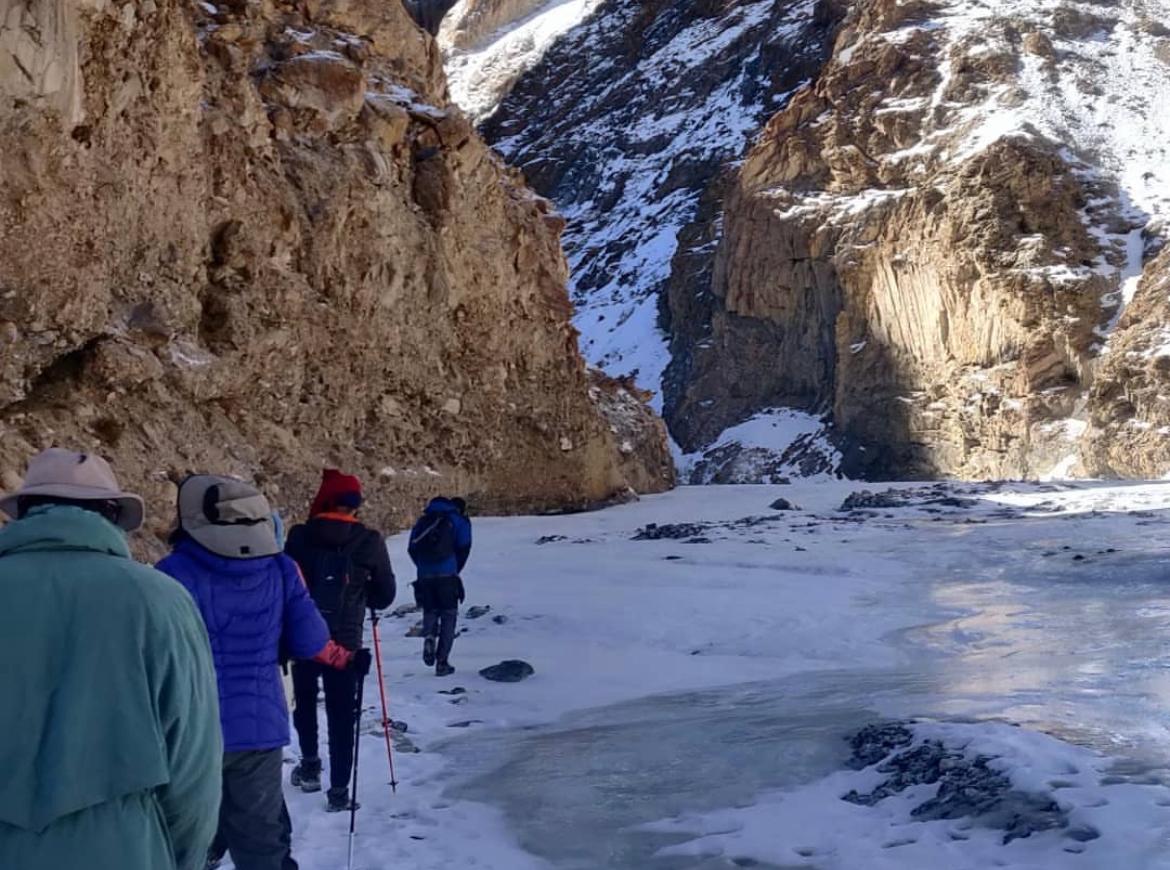
▫ As you journey through the dramatic Zanskar Gorge, the frozen river becomes your trail, revealing ever-changing patterns of ice, crystal-clear frozen sections and rugged Himalayan scenery. Every day brings a different perspective of this remote landscape, making the Chadar Trek an exceptional choice for adventurous travellers seeking a distinctive winter experience in India.
▫ Beyond its spectacular scenery, the trek offers a glimpse into the traditional life of the Zanskar region, where local communities have historically relied on the frozen river as a winter passage when mountain routes become inaccessible. This connection between nature, culture and survival gives the expedition a deeper meaning beyond the physical challenge.
▫ The Chadar Trek demands good physical fitness, suitable winter equipment and careful preparation for severe cold and unpredictable ice conditions. With proper acclimatisation in Leh, experienced trekking support and a responsible approach to changing trail conditions, travellers can discover the remarkable beauty of one of Ladakh’s most distinctive wilderness experiences.
▫
For international travellers looking to explore the Himalayas beyond the usual tourist routes, the Chadar Trek offers a rare combination of adventure, cultural discovery and breathtaking winter landscapes. Trek dates and route access must be confirmed according to the prevailing ice conditions and official permissions for the season.
▫ Walk Across the Frozen Zanskar River: Experience the extraordinary adventure of walking over a naturally frozen river in the heart of Ladakh during the winter season.
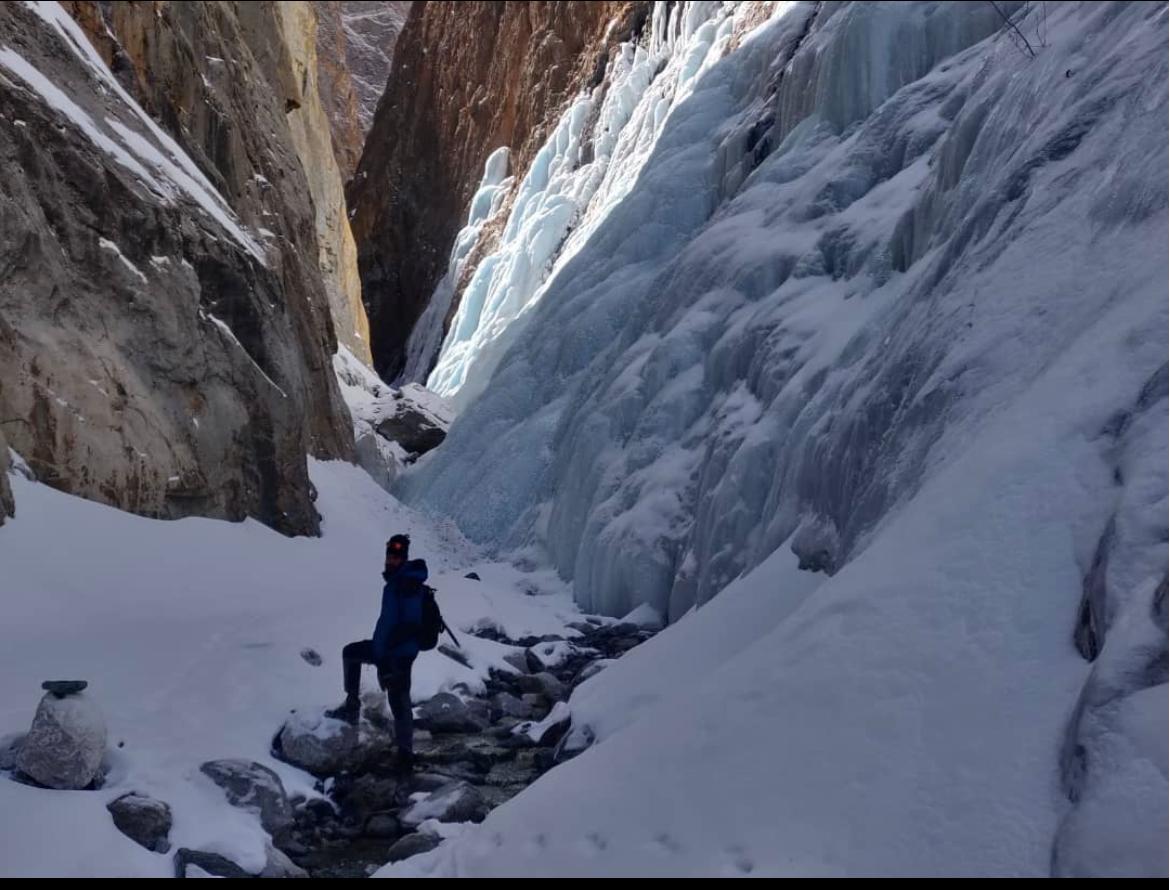
▫ Explore the Dramatic Zanskar Gorge: Witness towering rock walls, narrow river passages and spectacular Himalayan scenery throughout the expedition.
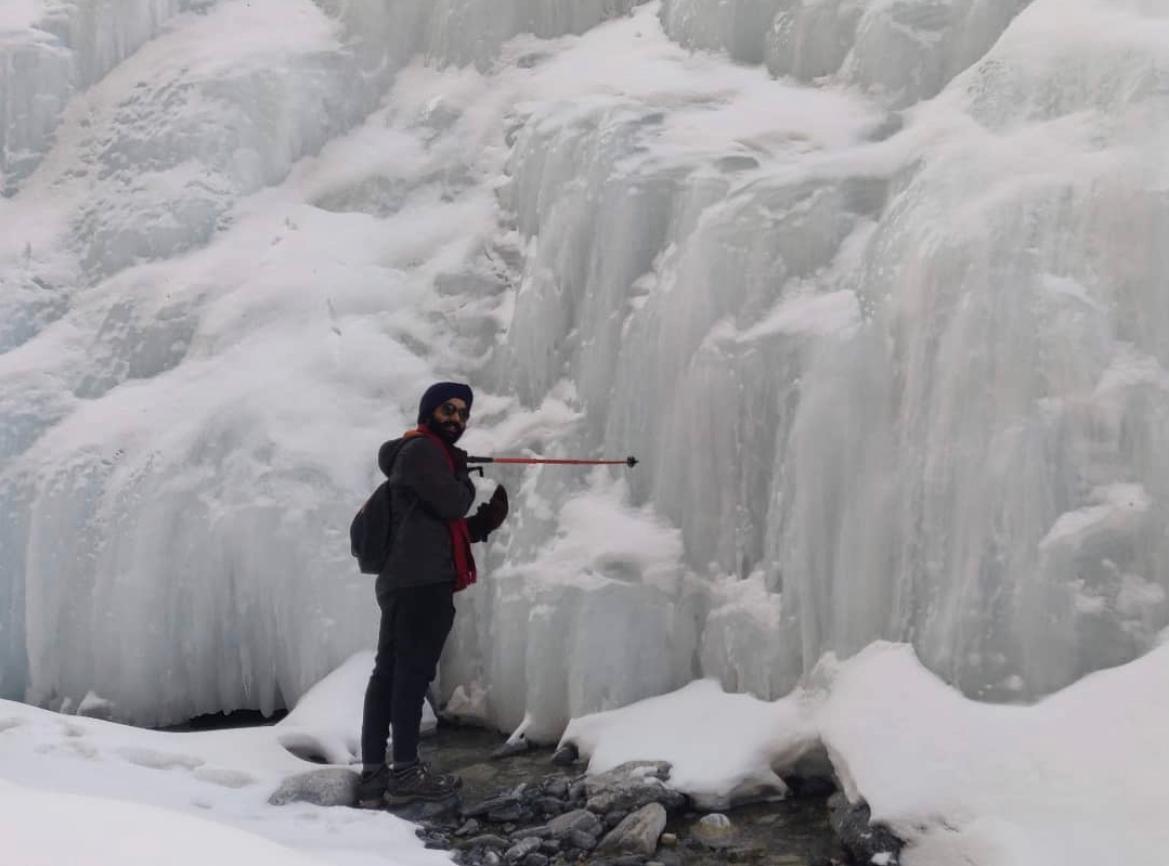
▫ Discover Remarkable Natural Ice Formations: Observe the fascinating patterns, textures and colours created by freezing temperatures along the river.
▫ Visit the Spectacular Nerak Frozen Waterfall: Explore the famous frozen waterfall near Nerak when accessible and included in the approved trekking route.
▫ Experience Ladakh’s Remote Winter Wilderness: Discover the peaceful atmosphere and rugged beauty of a Himalayan region transformed by extreme winter conditions.
▫ Learn About Traditional Zanskari Life: Gain insight into the historical importance of the frozen river as a winter travel route for local communities.
▫ Capture Extraordinary Winter Photography: Photograph frozen river landscapes, towering canyon walls and unique ice formations in the natural light of the Himalayas.
▫ Enjoy an Authentic Himalayan Expedition: Experience the challenges and rewards of a remote winter trek with appropriate equipment and experienced local support.
▫ Experience a Unique High-Altitude Adventure: Combine physical endurance, winter exploration and cultural discovery on one of Ladakh’s most distinctive trekking routes.
▫ Travel Responsibly Through a Fragile Ecosystem: Follow local guidance and responsible trekking practices to help protect the sensitive winter environment of the Zanskar Valley.
₹On Request Leh to Leh |
Detailed Tour Plan
Arrival in Leh
Upon arrival in Leh, you are welcomed by the crisp mountain air and stunning views of the Himalayas. The day is reserved for complete rest and acclimatization to adjust to the high altitude, which is essential before starting the trek. You can take a short walk around the local market in the evening while staying hydrated and relaxed.
Acclimatization & Preparation in Leh
This day is crucial for your body to adapt to the altitude. You may visit nearby monasteries or take a gentle walk while your trek leader conducts a detailed briefing session. Equipment checks and safety instructions are provided to prepare you for the extreme conditions of the Chadar Trek.
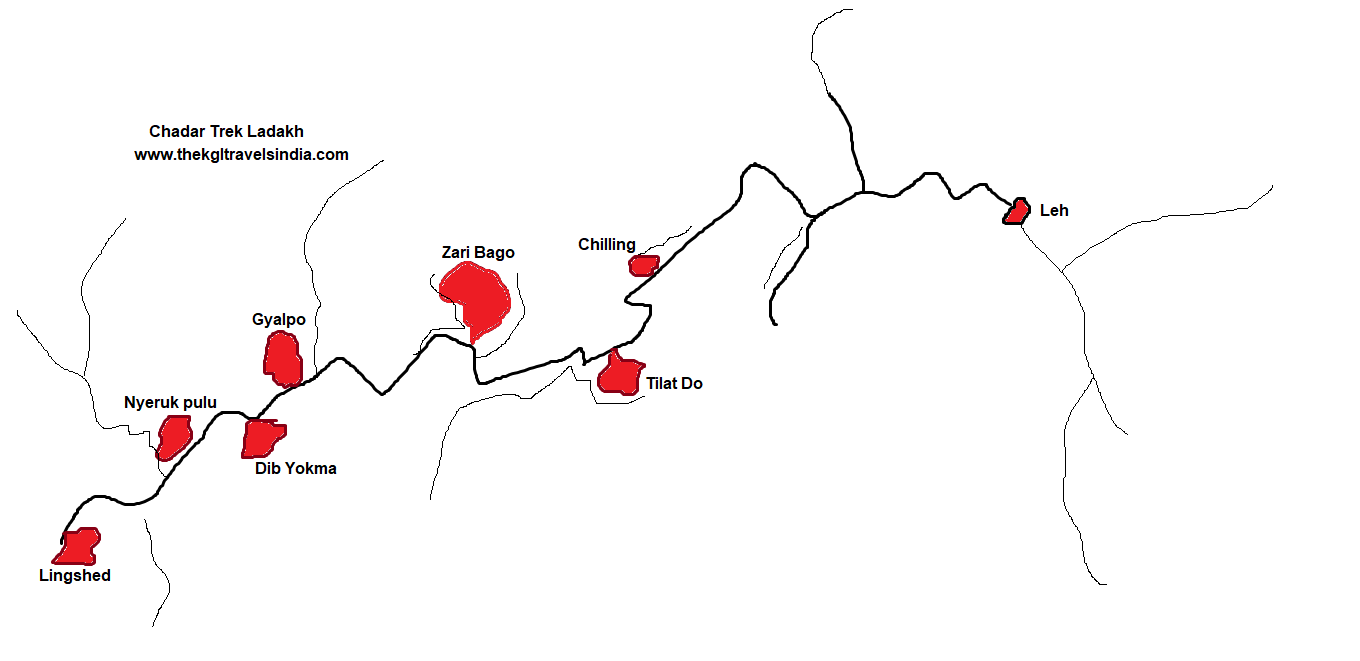
Drive to Shingra Yokma & Trek to Tsomo Paldar
After an early breakfast, you drive along the scenic road to Shingra Yokma, the starting point of the trek. From here, you step onto the frozen Zanskar River and begin your walk on the ice sheet. The trek to Tsomo Paldar introduces you to the surreal beauty of the frozen river, with towering cliffs on both sides.
Tsomo Paldar to Tibb Cave
Today’s trek takes you deeper into the gorge as you walk over varying ice textures, sometimes smooth and sometimes rugged. The ever-changing patterns of ice and reflections make the journey visually stunning. You camp at Tibb Cave, a famous shelter used by trekkers.
Tibb to Nerak Village
This is one of the most exciting days of the trek as you move towards Nerak Village. The highlight is the magnificent frozen waterfall near Nerak, a breathtaking natural wonder. You also get a glimpse of the remote lifestyle of the Zanskar region.
Nerak to Tibb
After exploring Nerak, you begin your return journey along the same route. The changing light and ice conditions make the trail feel entirely new, offering fresh perspectives of the frozen river.
Tibb to Shingra Yokma
You continue trekking back towards the endpoint, retracing your steps through the icy canyon. This final stretch on the Chadar allows you to fully absorb the silence and beauty of this frozen wilderness.
Return to Leh
You drive back to Leh, where a warm meal and comfortable stay await. The rest of the day is free to relax and recover from the physically demanding trek.
Departure
Your journey concludes as you depart from Leh, carrying unforgettable memories of walking on one of the most unique trekking routes in the world.
How to Reach Leh Reaching Leh, the gateway to Ladakh, is an experience in itself. Surrounded by high mountains and breathtaking landscapes, Leh is well-connected by air and road, making it accessible for both domestic and international travelers.
By Air (Fastest & Most Convenient) The easiest way to reach Leh is by air. Kushok Bakula Rimpochee Airport is one of the highest commercial airports in the world and is well-connected to major Indian cities like Delhi, Mumbai, and Srinagar. Regular flights operate throughout the year, although winter schedules may vary due to weather conditions. After landing, it is highly recommended to rest for at least 24 hours to acclimatize to the high altitude before starting any trek or activity.
By Road (Scenic Adventure) For those who love road trips, reaching Leh by road is a thrilling journey through some of the highest motorable passes in the world. 1. Manali to Leh Highway This route is one of the most popular and scenic drives, usually open from June to September. The journey takes you through high-altitude passes like Rohtang Pass and Baralacha La, offering stunning views of mountains, valleys, and rivers. It typically takes 2–3 days with overnight stops. 2. Srinagar to Leh Highway This route is relatively easier and more gradual in terms of altitude gain, making it better for acclimatization. The journey passes through beautiful locations like Sonamarg, Drass, and Kargil, and can be completed in 2 days.
By Train (Nearest Railway Station) Leh does not have a direct railway connection. The nearest major railway station is in Jammu, which is well-connected to cities across India. From Jammu, you can continue your journey to Leh by road via Srinagar or take a flight.
Travel Tips
• Always plan acclimatization time after reaching Leh
• Carry valid ID proof for permits
• Check road status before traveling by highway
• Book flights in advance during peak season
Proper packing is essential for a safe and comfortable trekking experience in Ladakh. Due to high altitude, unpredictable weather, and extreme temperatures (especially during winter treks), carrying the right gear can make a huge difference in your journey.
▫ Clothing Essentials Layering is the key to surviving Ladakh’s cold weather. Thermal innerwear (top & bottom) • Fleece jacket or woolen sweater • Heavy down jacket (for winter treks like Chadar) • Waterproof & windproof jacket • Trekking pants (quick dry) • Woolen cap, balaclava, and scarf • Waterproof gloves + woolen gloves • Warm socks (4–5 pairs)
▫ Footwear Good trekking shoes are a must for safety and comfort. • High-ankle waterproof trekking shoes • Extra pair of sports shoes/slippers • Gaiters (important for snow treks like Chadar) • Microspikes/crampons (for icy terrain)
▫ Trekking Gear Carry lightweight and essential gear only. • Backpack (50–60L) with rain cover • Daypack (20–30L) • Trekking pole (highly recommended) • Headlamp/torch with extra batteries • Sunglasses (UV protection for snow glare) • Water bottles or hydration pack
▫ Personal & Camping Essentials • Sleeping bag (for sub-zero temperatures in winter treks) • Personal toiletries (toothbrush, wipes, sanitizer) • Quick-dry towel • Sunscreen (SPF 50+) & lip balm • Moisturizer (very important in dry climate)
▫ Medical & Safety Kit • Personal medicines • Basic first aid kit • Diamox (for altitude sickness – consult doctor) • Pain relief spray • ORS / energy drinks
▫ Food & Energy • Energy bars, chocolates, dry fruits • Instant snacks (lightweight & high energy)
▫ Documents & Essentials • Government ID proof (mandatory) • Trek permits (usually arranged by operator) • Cash (ATMs are limited in Ladakh)
▫ Special Tips (Very Important) • Pack light but don’t miss essentials • Avoid cotton clothes – prefer wool & synthetic • Stay hydrated to prevent altitude sickness • Always follow your trek leader’s instructions
It is a unique winter trek over the frozen Zanskar River in Ladakh.
The trek is best done in January and February when the river is completely frozen.
It is a challenging trek due to extreme cold conditions and icy terrain.
Temperatures can drop as low as -25°C to -30°C during the trek.
Yes, prior high-altitude trekking experience is highly recommended.
Walking on a frozen river surrounded by icy cliffs makes it one of the most thrilling treks in the world.
Trekkers stay in caves or tents along the river during the journey.
Gallery
The Kashmir Great Lakes Travels is a Kashmir based trusted travel and trekking company, focused on showcasing the true beauty of the Northern Himalayas
Contact :
📞 916005642341
📲 917889929400
📧info@thekgltravelsindia.com
Head Office:
Shop no 03 Dar Complex Chatterhama Hazratbal Srinagar Jammu and Kashmir india 190006.
Copyright All Rights Reserved, Design by The Kgl Travels (India)