Accommodation
Duration

Accommodation

Maximum Altitude

Difficulty Level

Best season

Tour type

Meals

Group Size

Age Limit
▫ The Zanskar Valley Trek is a spectacular high-altitude trekking adventure through one of the most remote and culturally fascinating regions of Ladakh. Far from the busy tourist routes, this journey takes you deep into the rugged landscapes of Zanskar, where dramatic mountains, deep river gorges, traditional Himalayan villages, ancient Buddhist monasteries and vast open valleys create an unforgettable trekking experience. The route is ideal for travellers who want to explore a quieter and more authentic side of the Indian Himalayas while experiencing the raw beauty of high-altitude Ladakh.
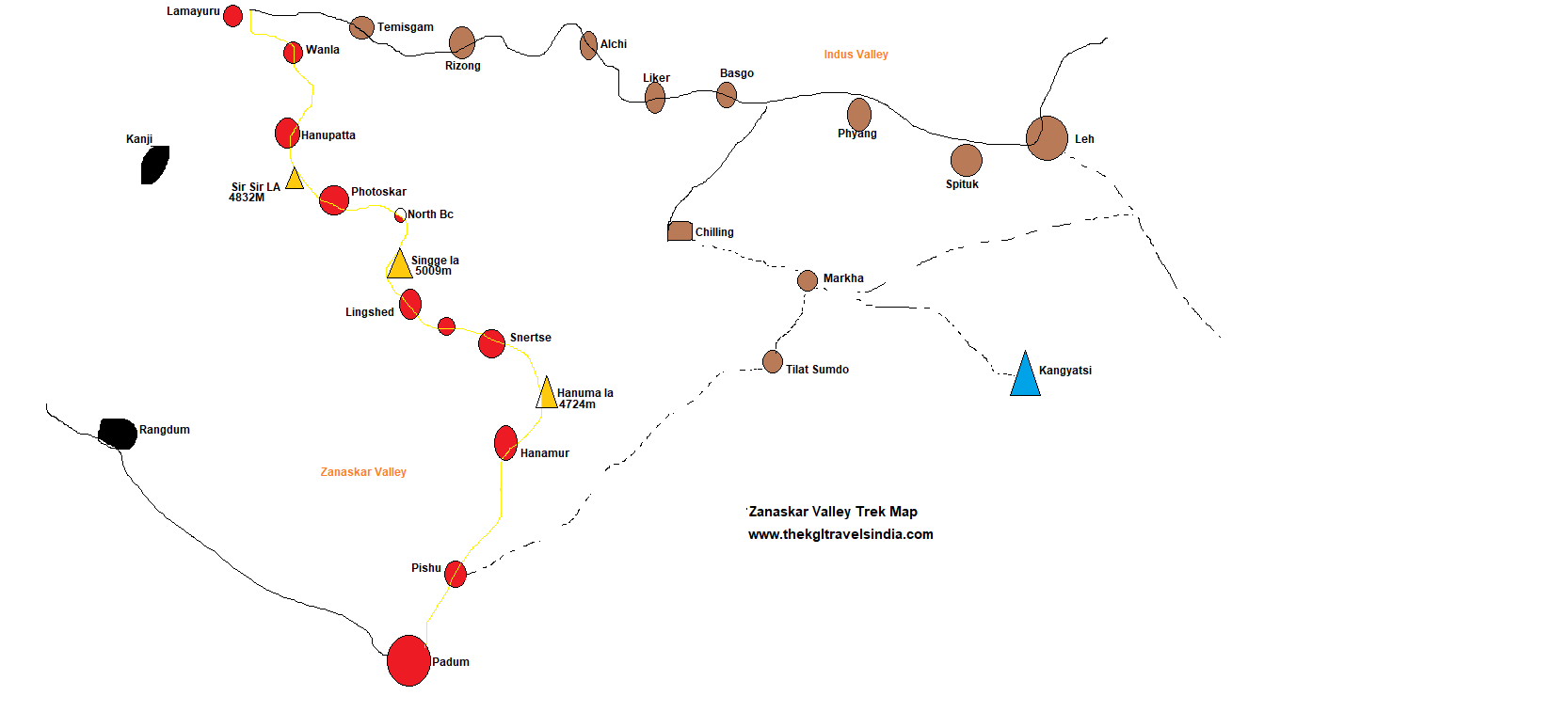
▫ Starting from Leh, the journey gradually moves towards the remote Zanskar region through Kargil, Lamayuru and Padum before entering the trekking section. As you walk through the valley, the scenery constantly changes from wide mountain landscapes and cultivated village fields to narrow gorges, rocky trails and river valleys. The trail also passes through traditional settlements such as Karsha, Pishu, Hanumil, Snertse, Lingshed, Hanupatta and Photoksar, giving trekkers an opportunity to experience the traditional lifestyle and isolated communities of Zanskar.
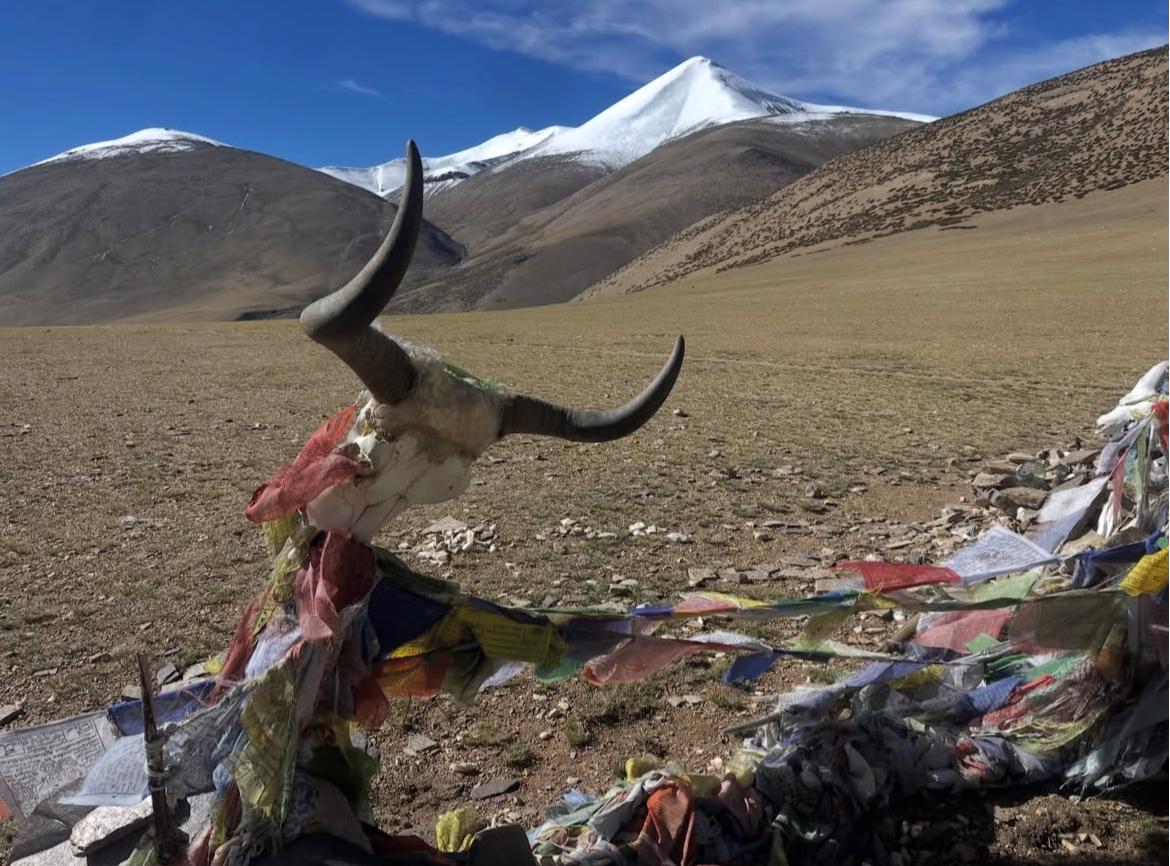
▫ One of the most rewarding aspects of this trek is its combination of adventure and culture. Along the route, you can discover ancient Buddhist heritage, visit remote monasteries and observe prayer flags, chortens and traditional homes that reflect the deep-rooted Tibetan Buddhist culture of the region. The villages are surrounded by dramatic mountains and fertile patches of farmland, creating a striking contrast with the otherwise arid landscape of Ladakh.
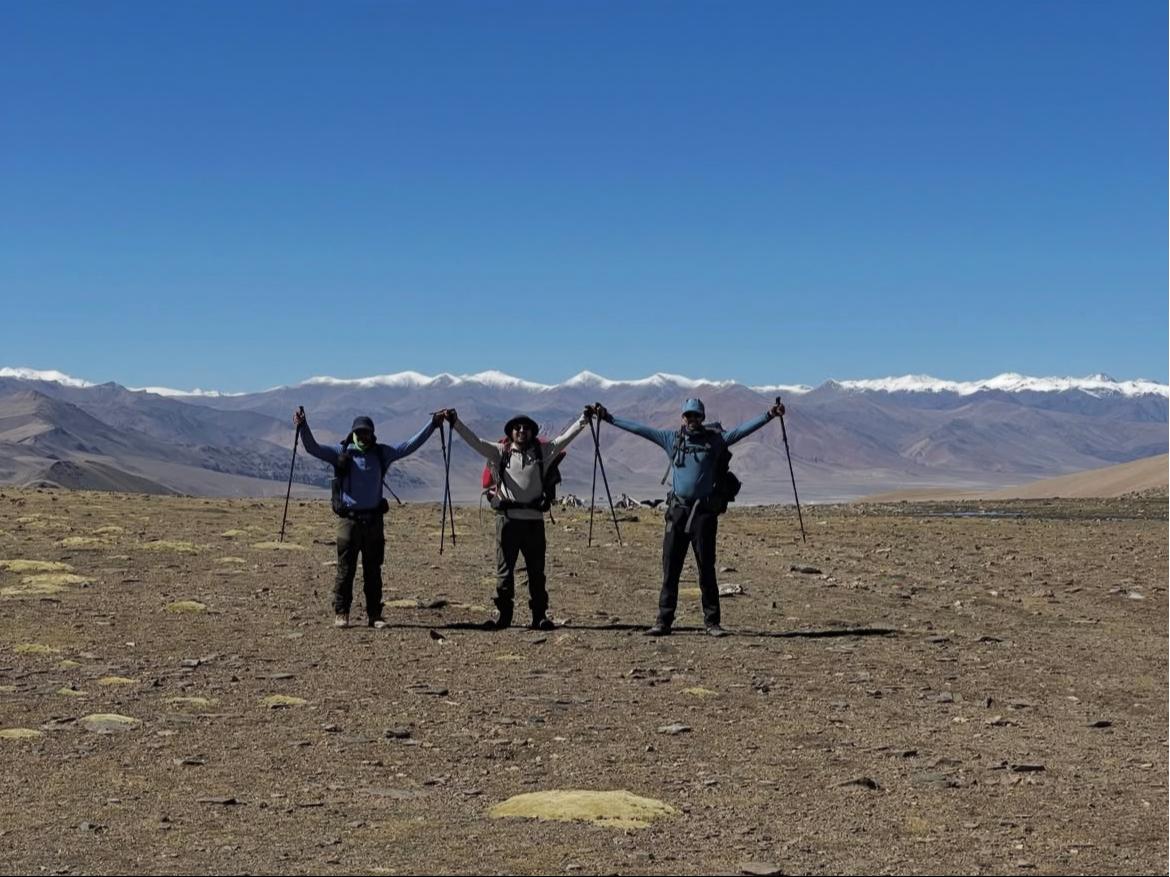
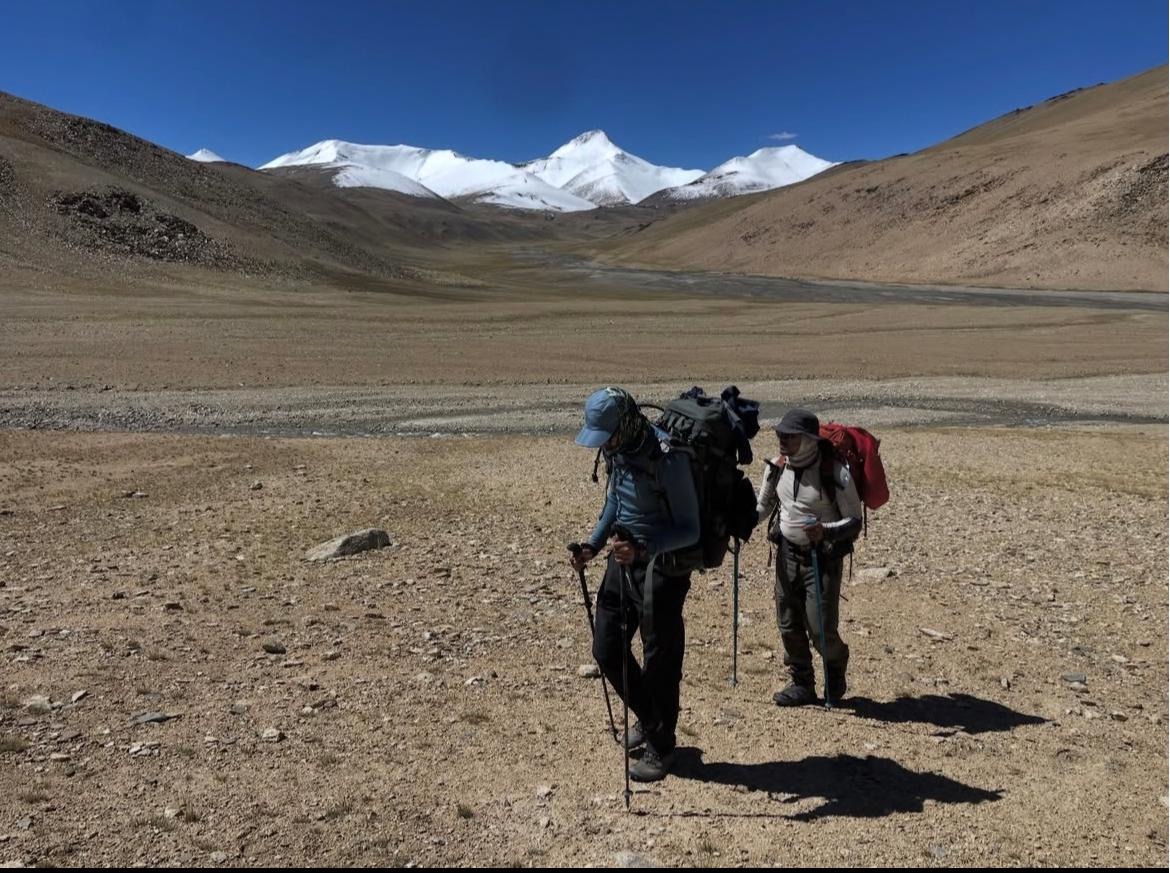
▫ The Zanskar Valley Trek also offers several challenging sections for experienced trekkers, including high-altitude mountain passes such as Parfi La and Singge La. Crossing these passes requires physical fitness, stamina and proper acclimatization, but the panoramic mountain views from the higher sections make the effort worthwhile. Walking through remote valleys, crossing streams and bridges, and following ancient mountain trails allows you to experience the Himalayas at a much deeper level than a conventional sightseeing trip.
▫ For international travellers and adventure seekers looking for an offbeat Himalayan experience, the Zanskar Valley Trek offers an exceptional opportunity to explore remote Ladakh away from crowded tourist destinations. With camping under clear Himalayan skies, long mountain walks, encounters with local communities and spectacular landscapes throughout the journey, this trek is more than a physical adventure—it is an immersive journey into the remote heart of Zanskar. T
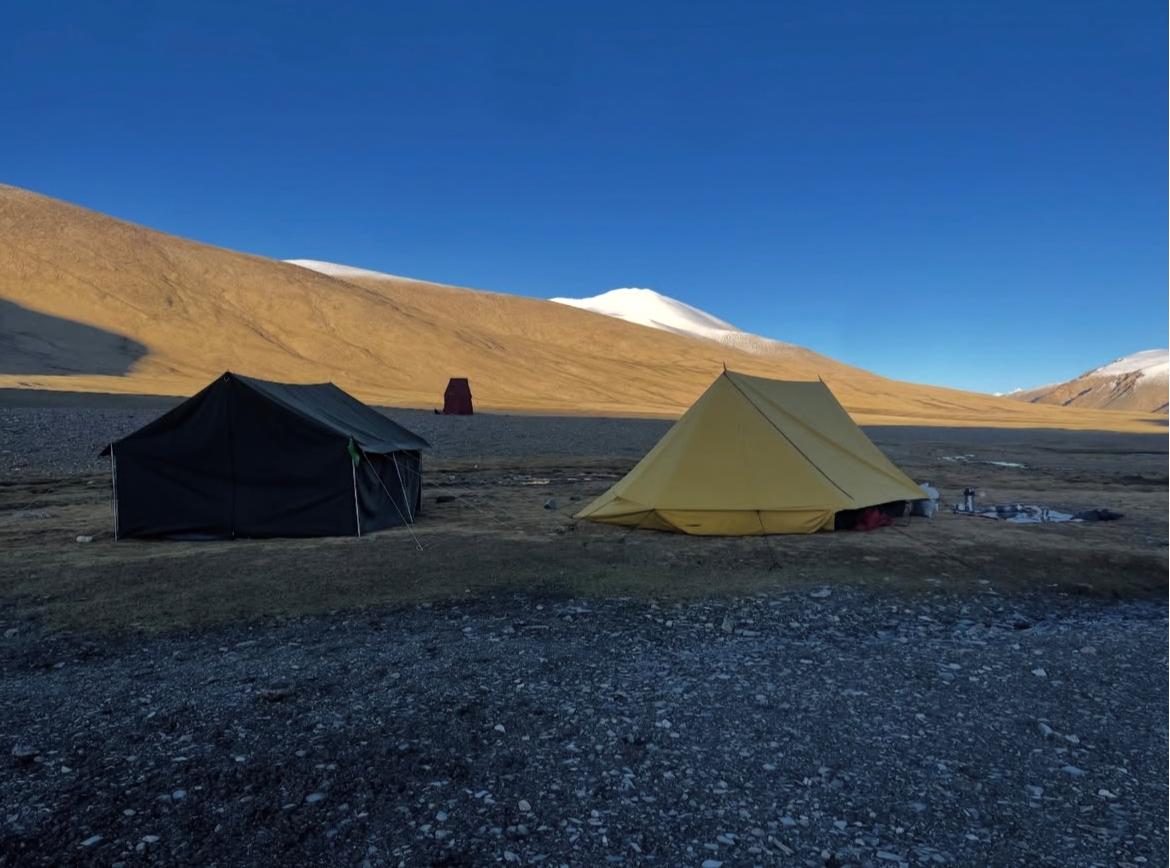
▫ The trek is graded moderate to difficult and involves walking at considerable altitude, so previous trekking experience and good physical fitness are recommended. Proper acclimatization in Leh is especially important before beginning the high-altitude trekking section. With an experienced local trekking team, carefully planned camps and appropriate safety support, trekkers can enjoy the extraordinary landscapes and cultural richness of the Zanskar Valley with greater comfort and confidence.
₹On Request Leh to Leh |
Detailed Tour Plan
Drive from Leh to Kargil via Lamayuru
After breakfast, you drive through scenic mountain roads towards Kargil, passing through Lamayuru, famous for its moon-like landscapes and ancient monastery. The journey offers spectacular views of barren mountains and valleys.
Drive from Kargil to Padum (Zanskar Valley)
Today’s drive takes you deeper into the Zanskar region, leading to Padum, the main town of Zanskar Valley. The route is remote and scenic, showcasing the raw beauty of Ladakh’s rugged terrain.
Padum to Karsha Trek
The trek begins from Padum as you head towards Karsha, home to one of the largest monasteries in Zanskar. The trail passes through small villages and fields, giving you a glimpse of local life.
Karsha to Pishu Trek
You continue trekking along the Zanskar River, crossing wooden bridges and walking through open valleys. The peaceful surroundings and dramatic landscapes make this day truly memorable.
Pishu to Hanumil Trek
The trail gradually ascends through narrow gorges and rocky terrain as you move towards Hanumil. This stretch offers stunning views of the surrounding mountains and river valleys.
Hanumil to Snertse via Parfi La Pass
This is one of the most challenging days as you cross Parfi La Pass, offering breathtaking panoramic views. After reaching the summit, you descend towards Snertse campsite.
Snertse to Lingshed Trek
The trek continues through remote trails leading to Lingshed, a beautiful village known for its monastery and traditional houses. You get a deeper insight into the isolated lifestyle of the locals.
Lingshed to Hanupatta Trek
You descend gradually through scenic valleys and river crossings, enjoying the changing landscapes of Zanskar.
Hanupatta to Photoksar Trek via Singge La Pass
Another challenging day as you cross Singge La Pass, one of the highest points of the trek. The views from the top are truly rewarding.
Photoksar to Lamayuru Trek/Drive
The trail descends towards Lamayuru, marking the end of the trekking journey. You revisit the famous moonland landscapes and monastery after reaching lamayuru drive towards leh for over night stay.
Departure
Your adventure concludes as you depart from Leh with unforgettable memories of the Zanskar Valley Trek.
How to Reach Leh Reaching Leh for Zanaskar Valley Trek , the gateway to Ladakh, is an experience in itself. Surrounded by high mountains and breathtaking landscapes, Leh is well-connected by air and road, making it accessible for both domestic and international travelers.
▫ By Air (Fastest & Most Convenient) The easiest way to reach Leh is by air. Kushok Bakula Rimpochee Airport is one of the highest commercial airports in the world and is well-connected to major Indian cities like Delhi, Mumbai, and Srinagar. Regular flights operate throughout the year, although winter schedules may vary due to weather conditions. After landing, it is highly recommended to rest for at least 24 hours to acclimatize to the high altitude before starting any trek or activity.
▫ By Road (Scenic Adventure) For those who love road trips, reaching Leh by road is a thrilling journey through some of the highest motorable passes in the world. 1. Manali to Leh Highway This route is one of the most popular and scenic drives, usually open from June to September. The journey takes you through high-altitude passes like Rohtang Pass and Baralacha La, offering stunning views of mountains, valleys, and rivers. It typically takes 2–3 days with overnight stops. 2. Srinagar to Leh Highway This route is relatively easier and more gradual in terms of altitude gain, making it better for acclimatization. The journey passes through beautiful locations like Sonamarg, Drass, and Kargil, and can be completed in 2 days.
▫ By Train (Nearest Railway Station) Leh does not have a direct railway connection. The nearest major railway station is in Jammu, which is well-connected to cities across India. From Jammu, you can continue your journey to Leh by road via Srinagar or take a flight.
▫ Travel Tips • Always plan acclimatization time after reaching Leh • Carry valid ID proof for permits • Check road status before traveling by highway • Book flights in advance during peak season
Proper packing is essential for Zanaskar Valley Trek a safe and comfortable trekking experience in Ladakh. Due to high altitude, unpredictable weather, and extreme temperatures (especially during winter treks), carrying the right gear can make a huge difference in your journey.
▫ Clothing Essentials Layering is the key to surviving Ladakh’s cold weather. Thermal innerwear (top & bottom) • Fleece jacket or woolen sweater • Heavy down jacket (for winter treks like Chadar) • Waterproof & windproof jacket • Trekking pants (quick dry) • Woolen cap, balaclava, and scarf • Waterproof gloves + woolen gloves • Warm socks (4–5 pairs)
▫ Footwear Good trekking shoes are a must for safety and comfort. • High-ankle waterproof trekking shoes • Extra pair of sports shoes/slippers • Gaiters (important for snow treks like Chadar) • Microspikes/crampons (for icy terrain)
▫ Trekking Gear Carry lightweight and essential gear only. • Backpack (50–60L) with rain cover • Daypack (20–30L) • Trekking pole (highly recommended) • Headlamp/torch with extra batteries • Sunglasses (UV protection for snow glare) • Water bottles or hydration pack
▫ Personal & Camping Essentials • Sleeping bag (for sub-zero temperatures in winter treks) • Personal toiletries (toothbrush, wipes, sanitizer) • Quick-dry towel • Sunscreen (SPF 50+) & lip balm • Moisturizer (very important in dry climate)
▫ Medical & Safety Kit • Personal medicines • Basic first aid kit • Diamox (for altitude sickness – consult doctor) • Pain relief spray • ORS / energy drinks
▫ Food & Energy • Energy bars, chocolates, dry fruits • Instant snacks (lightweight & high energy)
▫ Documents & Essentials • Government ID proof (mandatory) • Trek permits (usually arranged by operator) • Cash (ATMs are limited in Ladakh)
▫ Special Tips (Very Important) • Pack light but don’t miss essentials • Avoid cotton clothes – prefer wool & synthetic • Stay hydrated to prevent altitude sickness • Always follow your trek leader’s instructions
The trek is located in the remote region of Ladakh, offering untouched landscapes, high-altitude villages, and dramatic mountain views.
The ideal time is from June to September when the weather is stable and trekking routes are accessible.
It is a moderate to challenging trek suitable for experienced trekkers due to high altitude and long walking days.
The trek reaches altitudes of over 5,000 meters, requiring proper acclimatization.
Yes, hiring a local guide is highly recommended due to remote trails and limited connectivity.
Yes, most of the trek involves camping in scenic valleys and near remote villages.
Its raw Himalayan beauty, ancient monasteries, and isolation make it one of the most unique trekking experiences in India.
Gallery
The Kashmir Great Lakes Travels is a Kashmir based trusted travel and trekking company, focused on showcasing the true beauty of the Northern Himalayas
Contact :
📞 916005642341
📲 917889929400
📧info@thekgltravelsindia.com
Head Office:
Shop no 03 Dar Complex Chatterhama Hazratbal Srinagar Jammu and Kashmir india 190006.
Copyright All Rights Reserved, Design by The Kgl Travels (India)