Accommodation
Talk To Our Trek Expert For Customisation & Private Depatures:
👉 916005642341.
Duration

Accommodation

Maximum Altitude

Difficulty Level

Best season

Tour type

Meals

Group Size

Age Limit
📢 Important Update :
The 2026 Kashmir Great Lakes Trek season has now ended. 2027 departures will be announced soon. Contact us to register your interest and plan your trek in advance.. Kashmir Great Lakes Trek – Special Offer Price ₹18,500 Per Person. Check Full Trek Details Below👇. |
▫ Kashmir Great Lakes Trek is one of the most visually rewarding journeys in the Kashmir region. Over seven days the trail takes you across high mountain passes, alpine lakes, rolling green meadows, and dramatic rocky landscapes. Every day feels different, with changing scenery that keeps surprising you at every turn.
▫ The journey begins with a scenic drive from Srinagar to Sonmarg, where snow fed rivers and towering peaks welcome you into the mountains. From Shitkadi campsite, the real trekking adventure begins. Gradually, you climb through forest patches, river valleys, and open grasslands before reaching some of the most beautiful alpine lakes in the region.
▫ The trek is not just about lakes it’s about the experience of walking through wide valleys filled with wildflowers, crossing high altitude passes above 13,000–13,500 feet, and camping under clear mountain skies. Each campsite offers a completely new landscape from lush meadows to rocky basins surrounded by towering cliffs.
▫ By the time you reach Gangbal Lake and descend towards Naranag, you feel a strong connection with the mountains. The journey challenges you physically, but the beauty of the surroundings makes every step worth it.
▫ This trek is ideal for those who want a mix of adventure, natural beauty, and a true Himalayan experience.
▪ Sonmarg The Meadow of Gold
A stunning start to the journey with river views, glacier fed streams, and the
historic route that once connected Kashmir with Tibet.
▪
First High Altitude Climb to Nichnai
A steady ascent offering wide aerial views of Sonmarg and Thajwas Glacier,
along with peaceful riverside walking.
▪
Crossing Nichnai (Naina) Pass
12,500 ft
Your first major mountain pass, offering panoramic views and a thrilling sense
of achievement.
▪
Vishansar & Krishansar Lakes
Two breathtaking alpine lakes surrounded by green valleys and colorful
wildflowers. The reflections of mountains in these lakes are unforgettable.
▪
Gadsar Pass The Highest Point
The most challenging and rewarding day of the trek. From the top, you get
sweeping views of multiple lakes and rugged mountain terrain.
▪
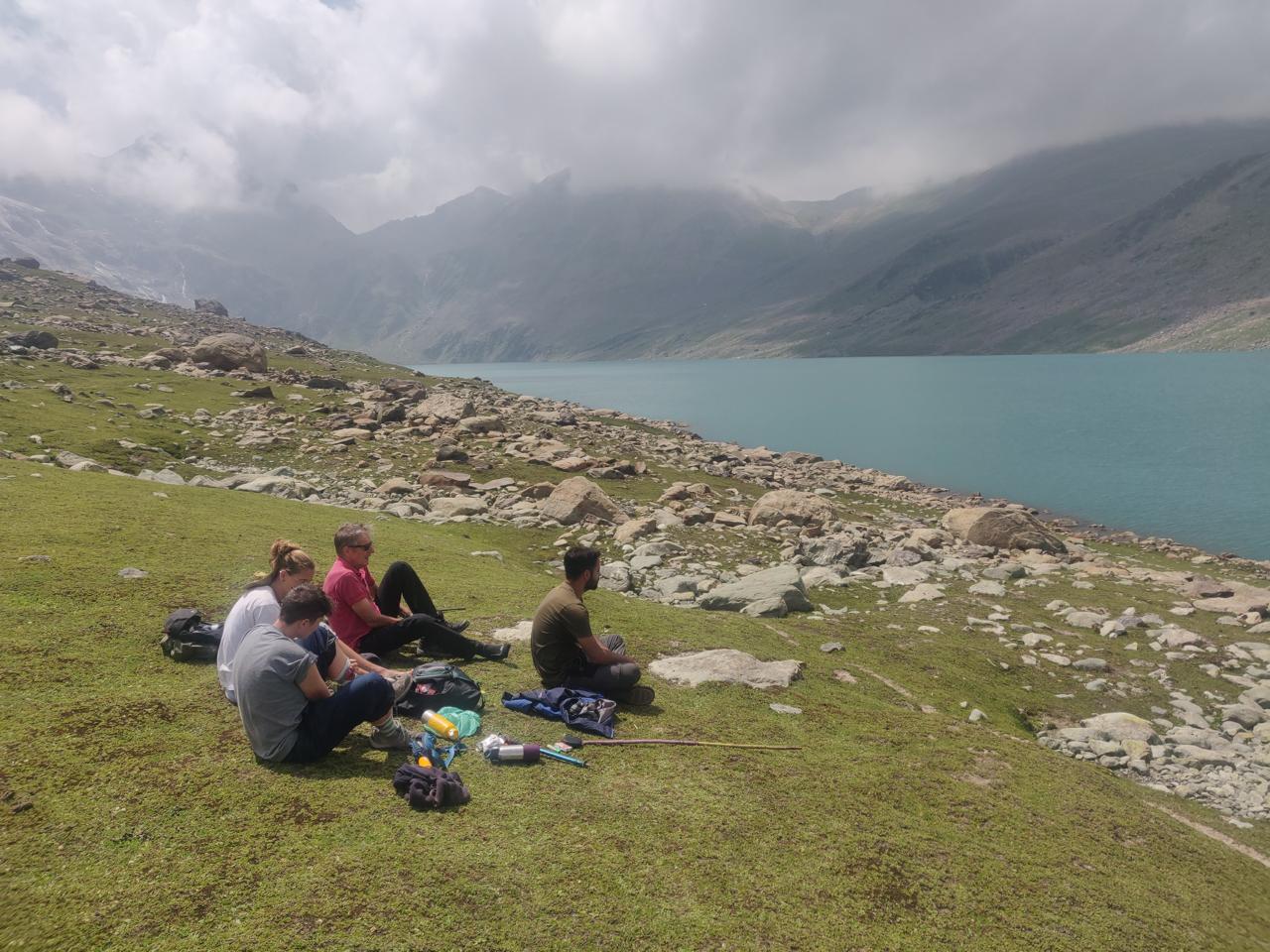
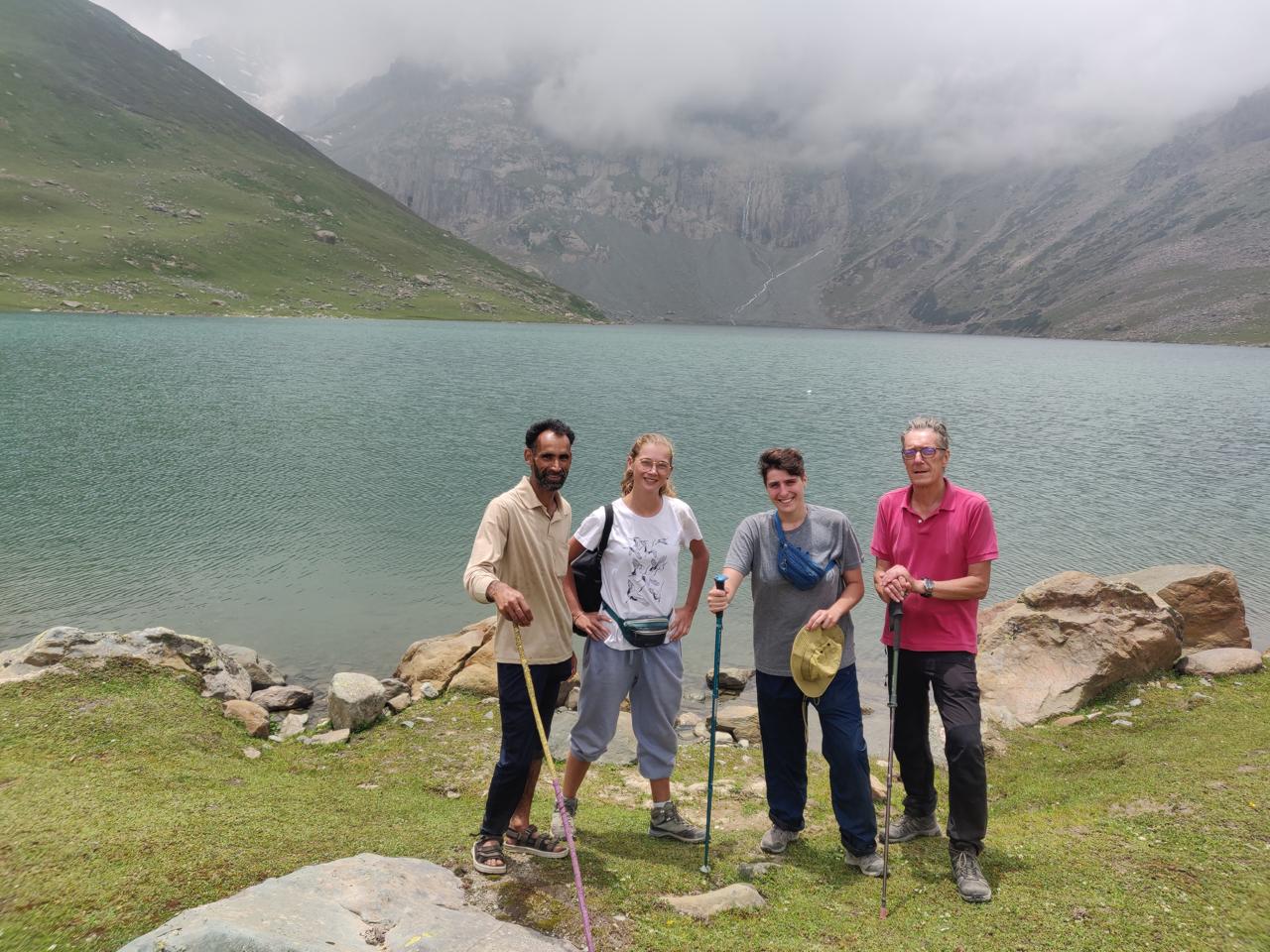
Gadsar Lake
Known for its striking blue water and pristine beauty, it is one of the
cleanest and most scenic lakes on the entire route.
▪
Satsar Basin
A unique rocky landscape surrounded by towering cliffs, creating a dramatic and
isolated atmosphere.
▪
Twin Lakes Nandkol &
Gangbal
A magical sight from the top of Jai Pass.These twin alpine lakes rest at the
base of Mount Harmukh, offering one of the most iconic views of the trek.
▪
Trunkhol Meadows & Descent to Naranag
A long but beautiful descent through vast meadows before returning to
civilization.
▪
Constantly Changing Landscapes
From green valleys to rocky passes from quiet lakes to flowing streams no two
days look the same.
|
₹18500/ Person Srinagar to Srinagar |
Talk To Our Trek Expert For Customisation & Private Depatures:
👉 916005642341.
Detailed Tour Plan
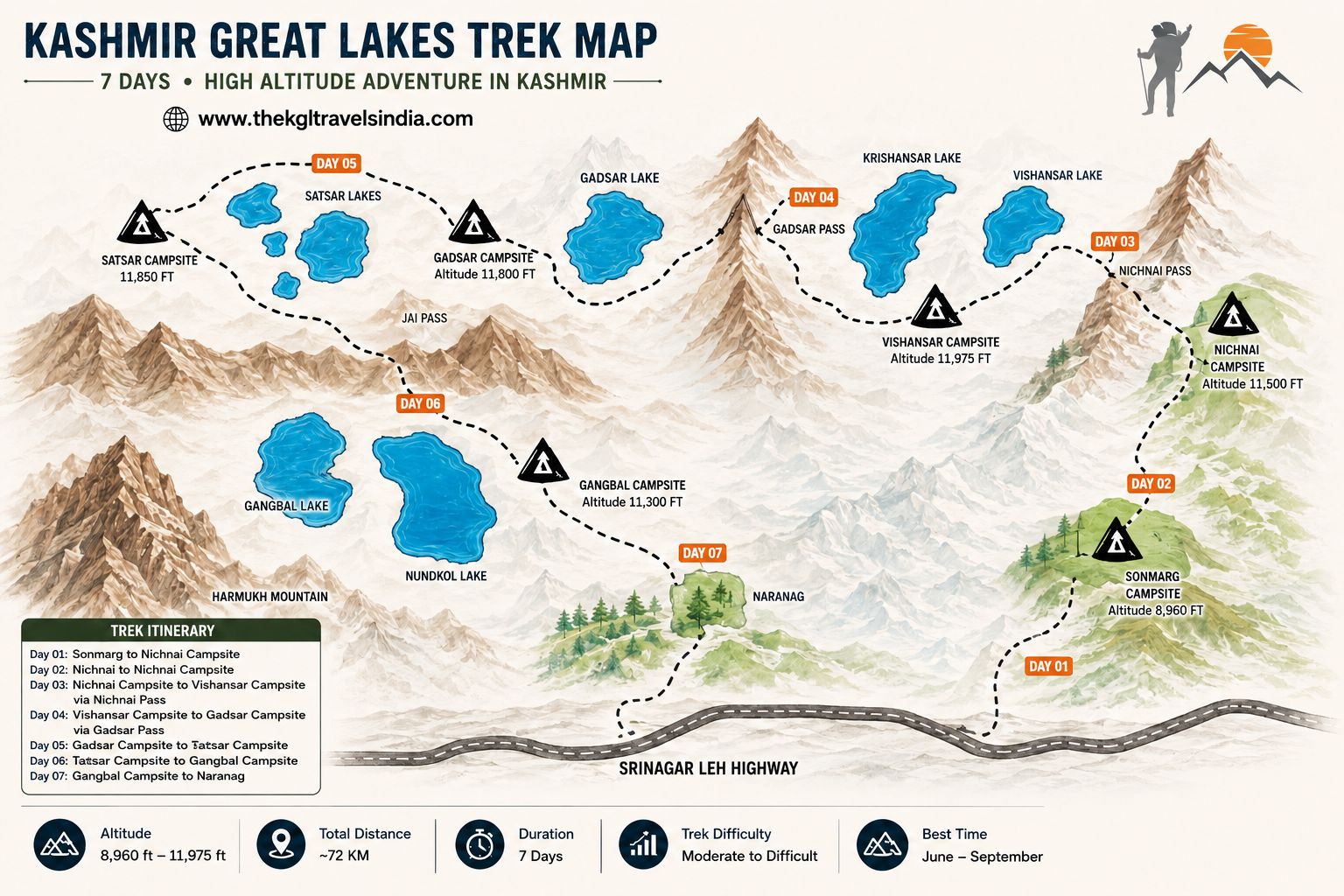
Srinagar – Sonamarg – Shitkadi Campsite
Today will be the first day of your trip. After breakfast, start your journey towards Sonamarg. Sonamarg means “Meadow of Gold” and it was an ancient Silk Route that connected Tibet to the Kashmir Valley. On the way, you will see many places like Wayil Bridge, Dumping Park, and the Gateway of Sonamarg.
On the right side of the road, the Sind River flows, which originates from glaciers. After reaching Sonamarg, you have options for sightseeing. Option one is Zero Point and the Drass War Memorial by union taxi, and another option is Thajwas Glacier by pony ride (at your own cost). After sightseeing, drive back towards Shitkadi campsite for an overnight stay in tents.
Shitkadi to Nichnai
This will be the first day of your trek. Wake up at 6 AM, freshen up, have breakfast, pack your backpacks, and start ascending towards the next campsite, Nichnai. After ascending a few hundred meters, there is an army camp where you need to register yourself. Please carry a valid Aadhaar card or passport in your backpack.After completing the formalities, start ascending again towards Table Top, where you can take a short rest and have some snacks. From Table Top, you will get an aerial view of Sonamarg and Thajwas Glacier. After Table Top, the trek continues beside the river until you reach Nichnai campsite. Overnight stay at the campsite.
Nichnai to Vishansar Valley
After breakfast, pack your backpacks, take your lunch pack, and continue your journey towards the next campsite, Vishansar Valley. Today you will cross Nichnai Pass, which is around 12,500 feet above sea level. It connects Nichnai with Vishansar Valley.
At the top of the pass, there is a small dhaba where you can have a cup of tea or Maggi. The area is rocky and steep. After resting at the pass, descend towards Vishansar Valley, where you will see many types of flowers and large open meadows. Walk through the valley and reach the campsite for an overnight stay.
Vishansar Valley – Gadsar
This will be the fourth day of your trek and one of the longest and most challenging days because you will cross the highest pass of the Kashmir Great Lakes Trek, Gadsar Pass. On this day you will also see three alpine lakes.
After breakfast, pack your backpacks, take your lunch box, and continue trekking towards Gadsar Valley campsite. After walking for some time, you will see Vishansar Lake on the left side. It is home to many fish such as brown trout and rainbow trout and is also the origin of the Neelum River.
After a few more meters, you will see another beautiful lake called Krishansar Lake. From there, start ascending slowly and steadily towards Gadsar Pass. Once you reach the pass, you will get an aerial view of both lakes, which looks very beautiful. After resting and taking photos, descend towards Gadsar Lake, one of the cleanest and most beautiful lakes of the trek. The campsite is located nearby for an overnight stay.
Gadsar – Satsar
After breakfast, head towards Satsar campsite. Satsar means “seven lakes.” These lakes are small but located in a very scenic area. On this day, you do not need to carry a lunch pack because you will get a hot lunch at the campsite.
You will reach Satsar campsite around noon. The campsite is surrounded by big rocky mountains and there are no trees in the area. If the weather becomes cloudy, the conditions can become challenging. Overnight stay at Satsar campsite.
Satsar – Gangbal
This day will test your physical stamina. After breakfast, start your journey towards Zaj Pass, which is around 13,600 feet above sea level. During the climb, you may see mud houses of local shepherds.
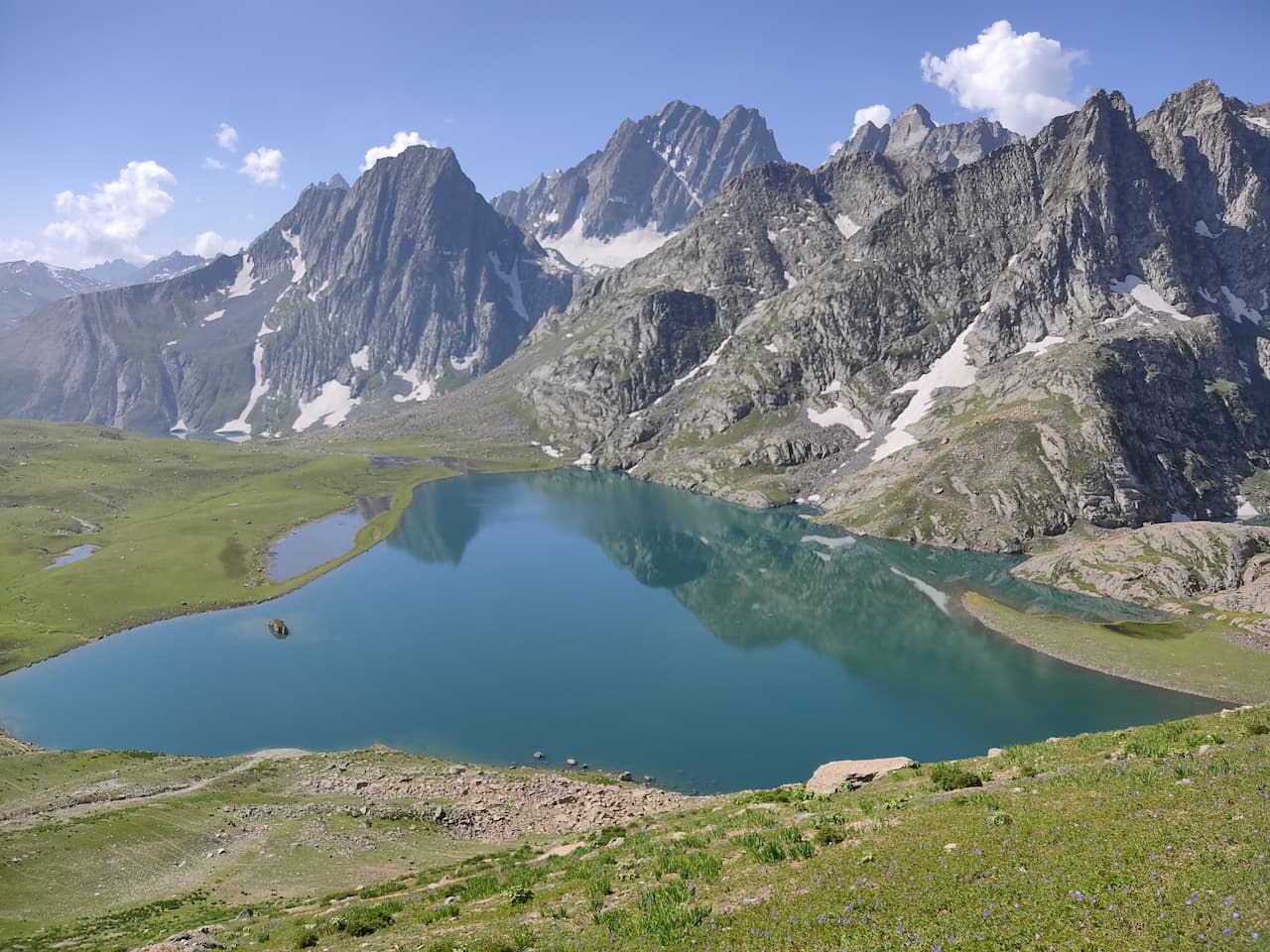
After reaching Zaj Pass, you will get a view of the twin lakes, Nundkol and Gangbal. This is a perfect place for photography. After spending some time there, descend towards Gangbal Lake campsite for an overnight stay.
Gangbal – Naranag – Srinagar
This will be the last day of your trek. Wake up early in the morning, pack your backpacks, and start descending towards Naranag through the Nundkol meadows. On this day, you need to walk carefully because the trail can be rocky and slippery.
After reaching Naranag village, our cab will pick you up and drive you back to your hotel in Srinagar for an overnight stay.
How to Reach Srinagar – Summer Capital of Jammu & Kashmir Srinagar, the summer capital of Jammu & Kashmir, can be reached by air, road, or rail (partially). Here’s a simple guide for travelers:
👉By Air (Fastest & Most Comfortable)
👉 By Road
a. From Jammu • Distance: 270 km | Time: 6-8 hours • Route: Jammu ,Udhampur, Chenani Nashri Tunnel, Ramban,Banihal,Anantnag Srinagar
b. From Leh (via Kargil) • Distance: 420 km • Time: 12-14 hours (2-day journey recommended) • Open Season: May to October (Zoji La pass closed in winter)
Click here for : Kashmir Taxi Services
👉 By Train
👉 By Bus
Best Travel Options
Kashmir Great Lakes Trek Difficulty
The Kashmir Great Lakes Trek is considered a moderate to difficult trek, making it ideal for trekkers who have a reasonable level of fitness and some trekking experience.
The trail covers approximately 65–75 km over 7 days and reaches high altitudes of around 13,700 ft at Gadsar Pass. Trekkers walk for about 6 to 8 hours a day through a variety of landscapes including alpine meadows, rocky mountain trails, river crossings, and high mountain passes.
The climb to Gadsar Pass is the most challenging section of the trek, but the stunning views of snow-capped peaks and crystal-clear alpine lakes make the effort worthwhile.
One of the unique aspects of the Kashmir Great Lakes Trek is the constant change in scenery. The trail takes you through lush green valleys, colorful wildflower meadows, and several high altitude lakes such as Vishansar, Krishansar, and Gangbal. While the terrain can sometimes be steep and demanding, the trek remains achievable for beginners who prepare well and maintain a steady pace.
Proper acclimatization, good physical fitness, and basic trekking preparation can make the journey comfortable and enjoyable. With the right mindset and preparation, this trek becomes an unforgettable Himalayan adventure
Kashmir Great Lakes Trek is a summer trek, usually done between July and October. The trail ranges from moderate to difficult, so it’s important to pack carefully and carry only the essentials. Here’s a complete guide for what you should take.
Trek Essentials
▪ Backpack Carry a 60 liter backpack to fit your clothes, personal items, and trekking gear. For day walks you can also use a smaller 20 30 liter daypack for water, snacks, and rain gear.
▪ Footwear Wear sturdy high ankle trekking shoes for rough trails river crossings and uneven terrain
▪ Clothing
▪ Trekking Poles Use 2 trekking poles for balance, reducing stress on knees during ascents and descents.
▪ Rain Gear Carry a poncho or waterproof jacket that can protect you from several hours of rain.
▪ Backpack Rain Cover Protect your bag from rain and wear-and-tear with a good quality rain cover.
▪ Accessories
The trek leader will have mountain emergency supplies, including oxygen and an oximeter. Mandatory Documents: Original Aadhar card, Passport, or Driver’s License plus photocopy.
A medical fitness certificate from a registered doctor is mandatory for trekking.
▪ Food Carry a lunch box for packed meals during long trekking days. The cook will prepare lunch each morning before the trek.
This packing guide ensures that you are comfortable, safe, and prepared for the Kashmir Great Lakes Trek without overloading your backpack. Following these essentials will make your trek enjoyable and hassle-free.
Click here for Tarsar Marsar Trek & Kalapari Lake Trek
Best Time to Visit Kashmir Great Lakes Trek
The best time to do the Kashmir Great Lakes Trek is from late June to mid-September, when the trekking routes are accessible and the alpine meadows are at their most beautiful.
During July and August, the valleys are covered with vibrant wildflowers, creating one of the most scenic trekking experiences in the Himalayas. The weather during this period is generally pleasant, with daytime temperatures ranging between 10°C and 20°C, while nights can become cooler at higher campsites.
In September, the landscapes start turning golden as the season changes. The skies are usually clearer during this time, offering spectacular views of surrounding Himalayan peaks and pristine high-altitude lakes. Earlier in the season, especially in late June and early July, trekkers may also encounter patches of snow near the mountain passes, which adds to the adventure and beauty of the trek.
Overall, the summer months provide the safest and most rewarding conditions to explore the breathtaking alpine scenery of the Kashmir Himalayas
The total distance of the Kashmir Great Lakes Trek is around 70–75 kilometers, depending on the itinerary and campsites used. Trekkers usually cover this distance over 7 to 8 days, passing through alpine meadows, river crossings, and high mountain passes.
The trek generally starts from Sonamarg and ends at Naranag in the Ganderbal district of Kashmir. These two locations are connected by road to Srinagar, which serves as the main base for transportation and logistics.
Mobile connectivity is very limited during the trek. Network coverage is usually available only at Sonamarg and Naranag, while most campsites in the mountains have no signal at all. Trekkers should inform family members in advance about this limited connectivity
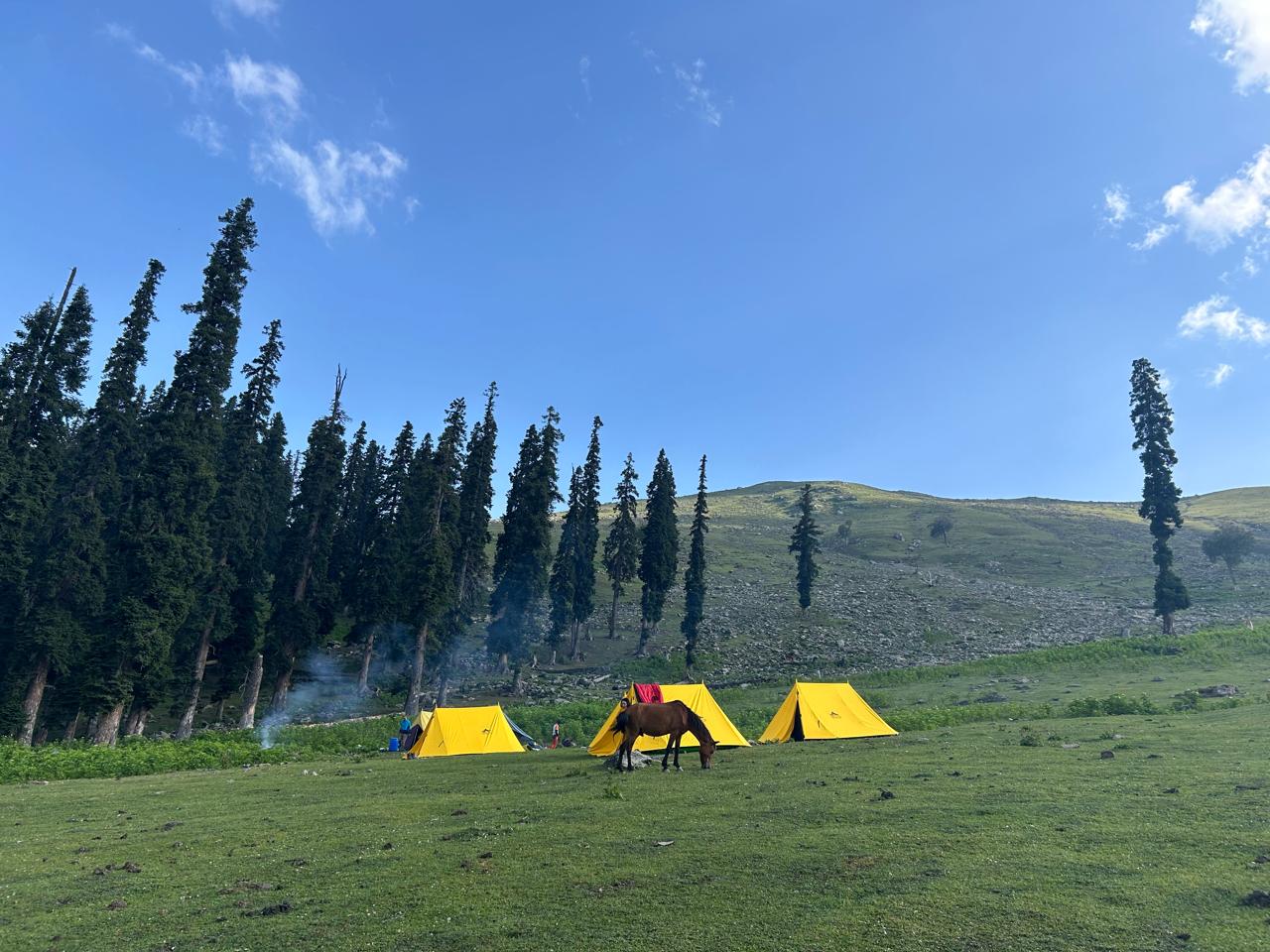
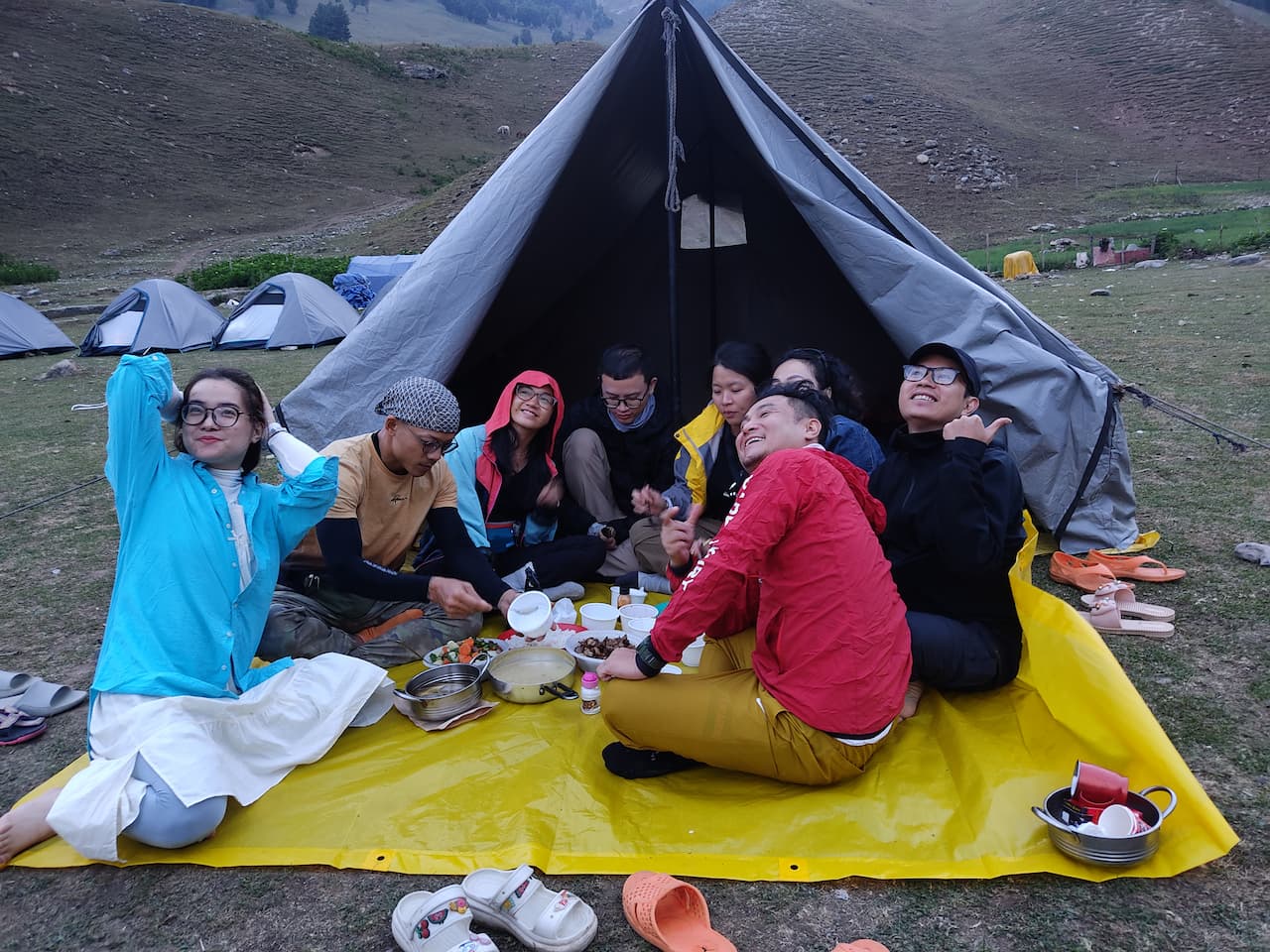
Accommodation during the trek is usually in high-quality alpine tents at designated campsites. Trek organizers typically provide sleeping tents, dining tents, sleeping bags, and mattresses to ensure comfort during the journey.
Yes, trekkers are generally required to obtain local trekking permits and identification verification before starting the trek. Most trekking companies arrange these permits as part of the package to make the process easier for participants.
The Kashmir Great Lakes Trek is famous for its series of crystal clear alpine lakes, lush green valleys, and dramatic Himalayan landscapes. Each day of the trek reveals a new lake surrounded by snowcapped peaks, making it one of the most scenic trekking routes in the Himalayas
Yes, solo travelers can easily join fixed departure groups organized by trekking companies. This is a great option for individuals who want to experience the trek while sharing costs and enjoying the journey with other trekkers.
Gallery
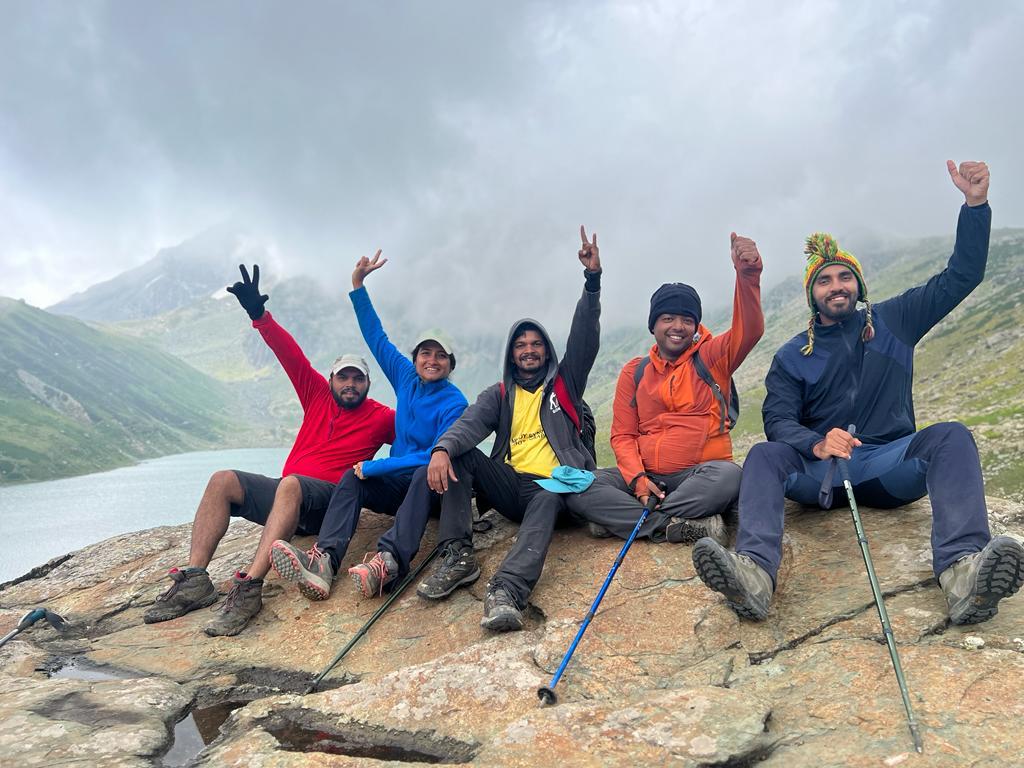
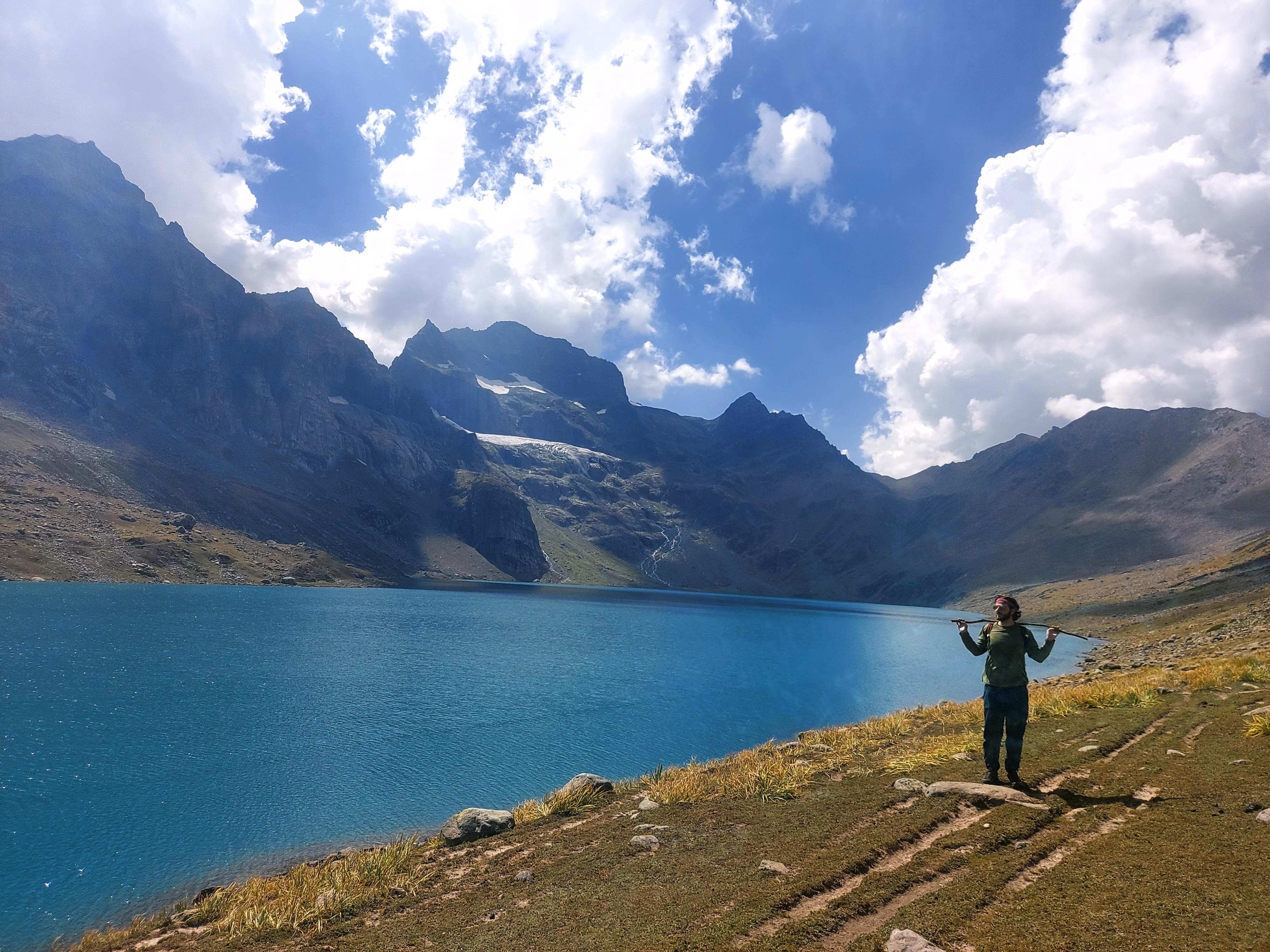
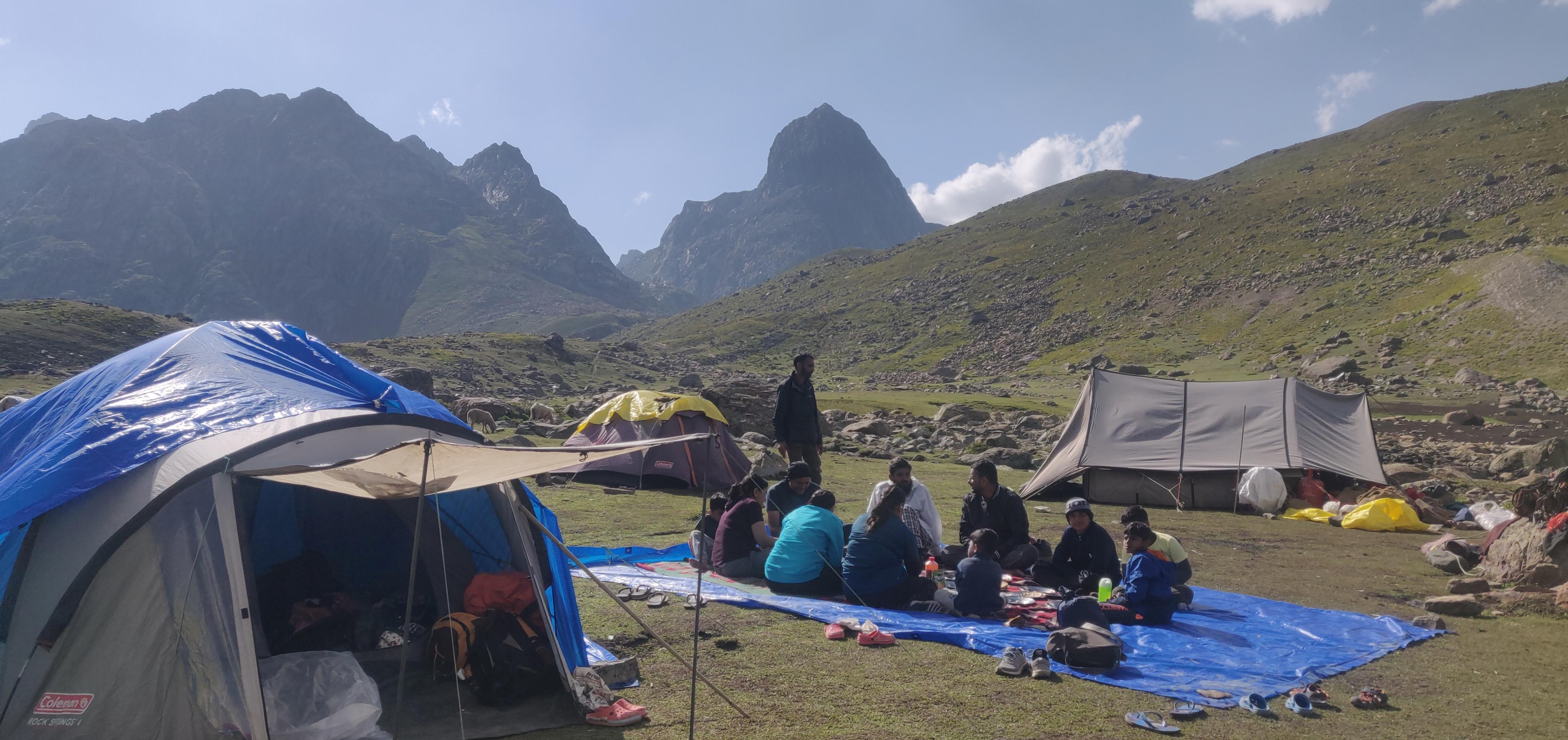
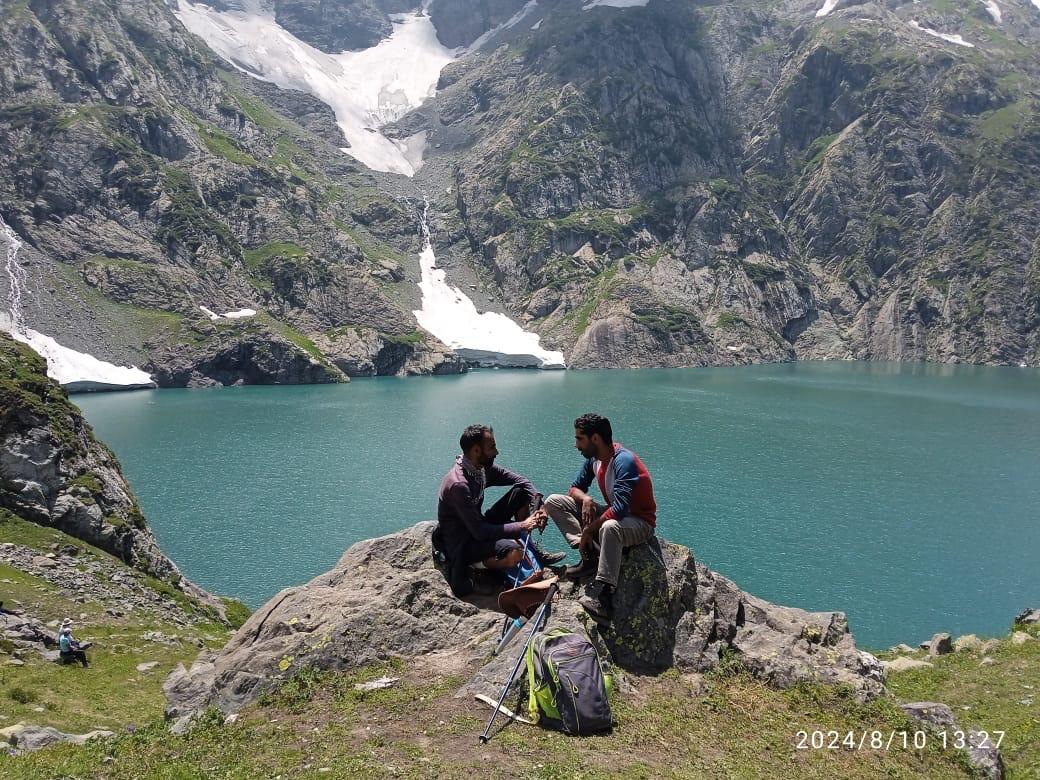
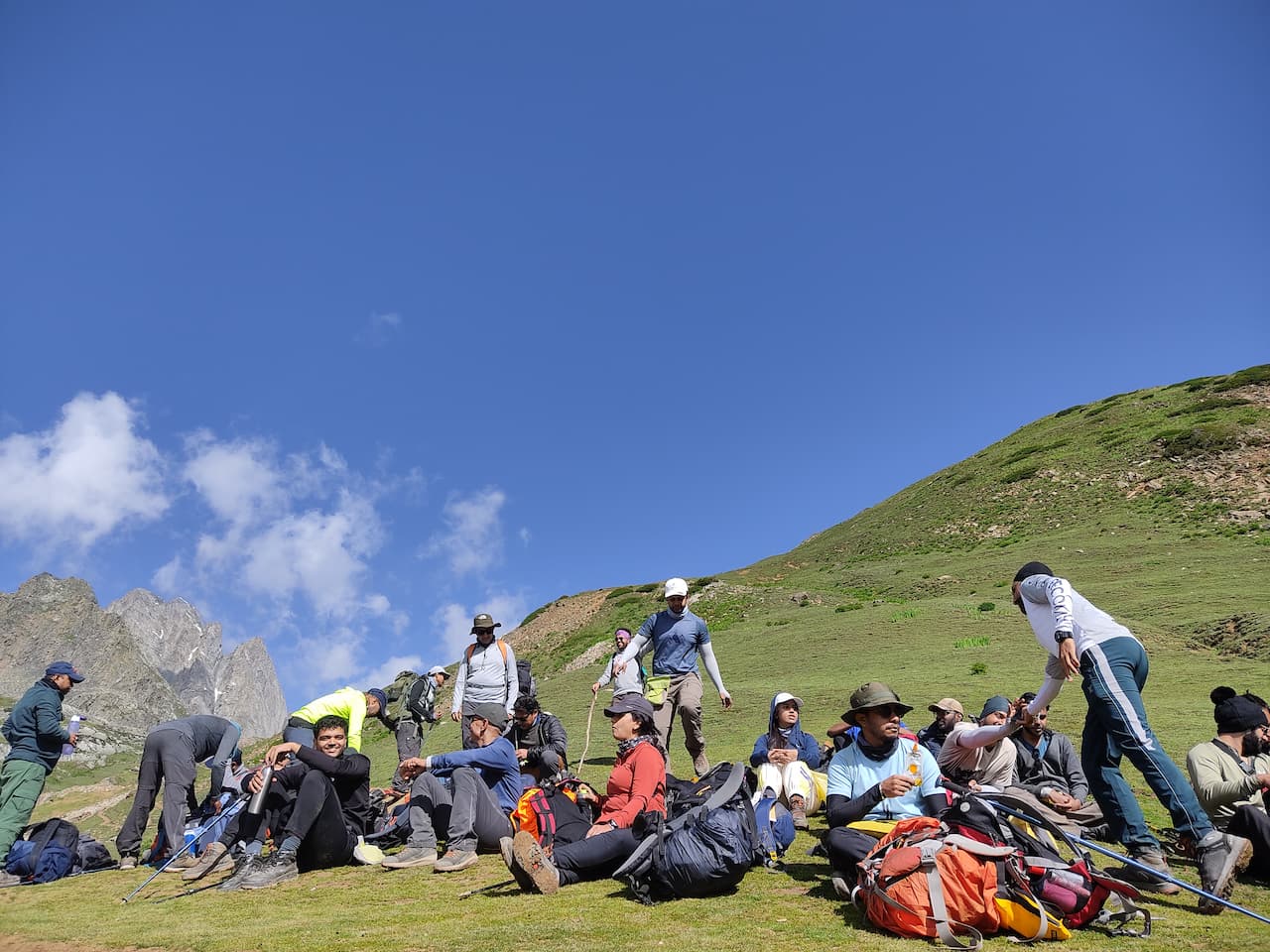
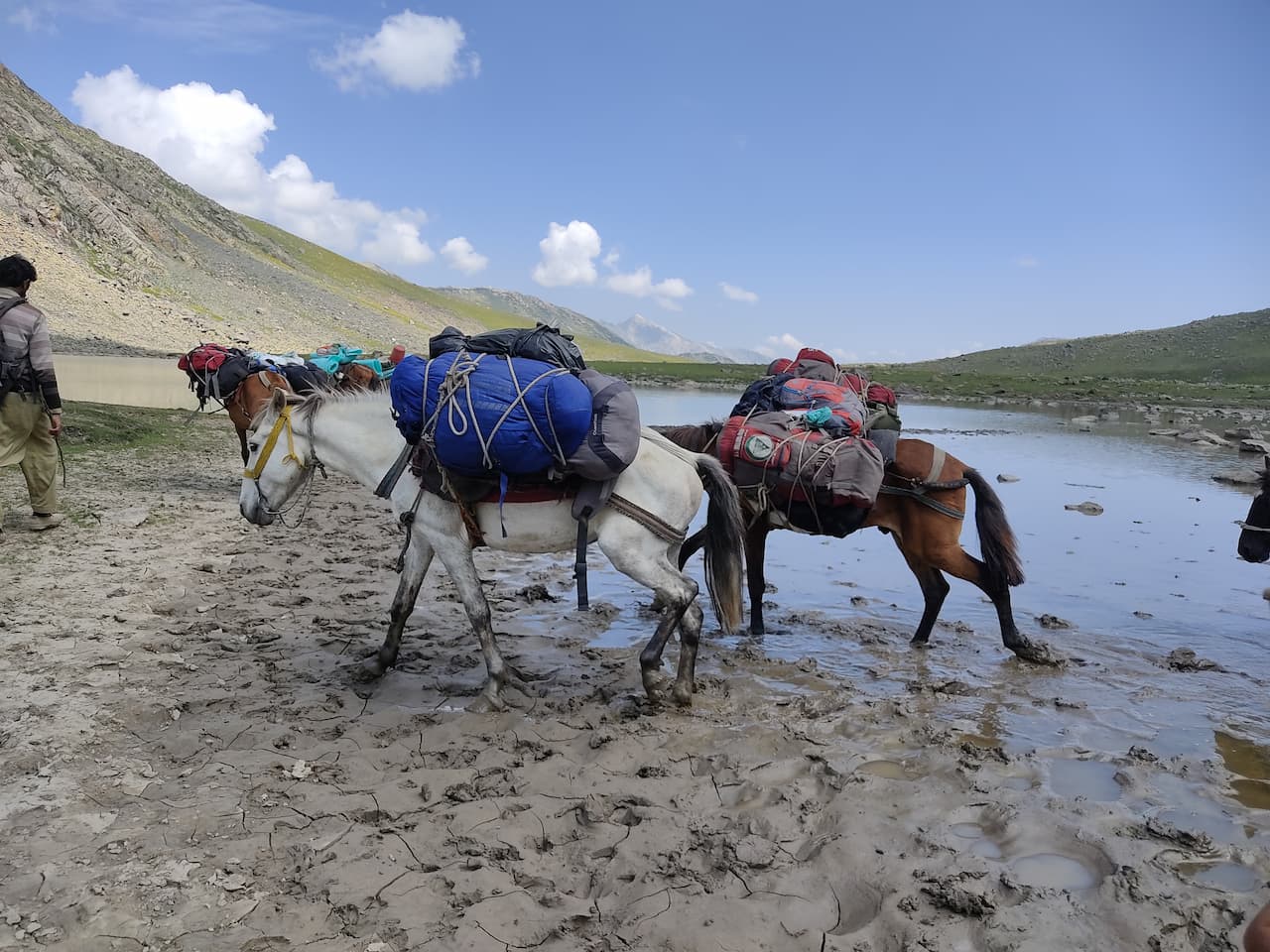
The Kashmir Great Lakes Travels is a Kashmir based trusted travel and trekking company, focused on showcasing the true beauty of the Northern Himalayas
Contact :
📞 916005642341
📲 917889929400
📧info@thekgltravelsindia.com
Head Office:
Shop no 03 Dar Complex Chatterhama Hazratbal Srinagar Jammu and Kashmir india 190006.
Copyright All Rights Reserved, Design by The Kgl Travels (India)